
The loss of a U.S. A-10 Thunderbolt II in the waters off the Strait of Hormuz — followed closely by the downing of an F-15E over Iran and intensive search-and-rescue activity — marks a dangerous inflection point in a fast-escalating campaign that is already stressing U.S. operational resilience, allied cohesion and the security of the world’s most critical oil chokepoint.
Incident Overview: A-10 Downed Near the Strait and Concurrent Air Losses
On April 3, an A-10 operating in the southern reaches of the Persian Gulf reportedly went down near the Strait of Hormuz; the pilot was recovered according to U.S. sources. Iranian state media asserted the aircraft had been targeted in those waters. The occurrence coincided with a separate and more consequential incident: a U.S. F-15E was shot down over Iran, with one crew member rescued and a second initially missing. These events come amid heightened combat operations labeled Operation Epic Fury and follow recent platform losses and damage elsewhere in the theater, including the March 12 KC-135 crash that killed six U.S. airmen and an earlier F-35 damage event in mid-March.
Operationally, the A-10 has been repurposed in this campaign for maritime interdiction missions along the Strait’s approaches, where it has engaged fast-attack craft affiliated with Iran’s Islamic Revolutionary Guard Corps. The dual incidents demonstrate two concurrent trends: diversification of U.S. airpower employment into littoral roles and an Iranian air-defense and anti-access capability increasingly willing and apparently able to engage manned U.S. aircraft.
Historical Context: Strait of Hormuz, Airpower Roles and Escalation Dynamics
The Strait of Hormuz has long been a geopolitical flashpoint because of its strategic value for global energy flows and its proximity to Iranian naval forces. Historical patterns show that periods of high tension in the Gulf produce a mix of state-level signaling, proxy harassment of commercial shipping, and intermittent kinetic engagements between Iranian forces and U.S.-led coalition assets. What is notable in this phase is the visible adaptation on both sides: U.S. air assets, including rugged close-air-support platforms like the A-10, have been employed for maritime interdiction rather than classic close-air support, while Iranian forces have increasingly integrated ground-based air defenses and asymmetric maritime capabilities to contest western air and sea freedom of maneuver.
These incidents must also be seen against a recent string of mishaps and combat losses that have eroded U.S. force availability and complicated command choices — from airborne refueling and tanker accidents to friendly-fire shootdowns during fast-moving operations. The combination of deliberate Iranian targeting claims and the demonstrated vulnerability of U.S. aircraft in the theater raises the prospect of a new operational tempo in which attrition and search-and-rescue operations themselves become strategic leverage points.
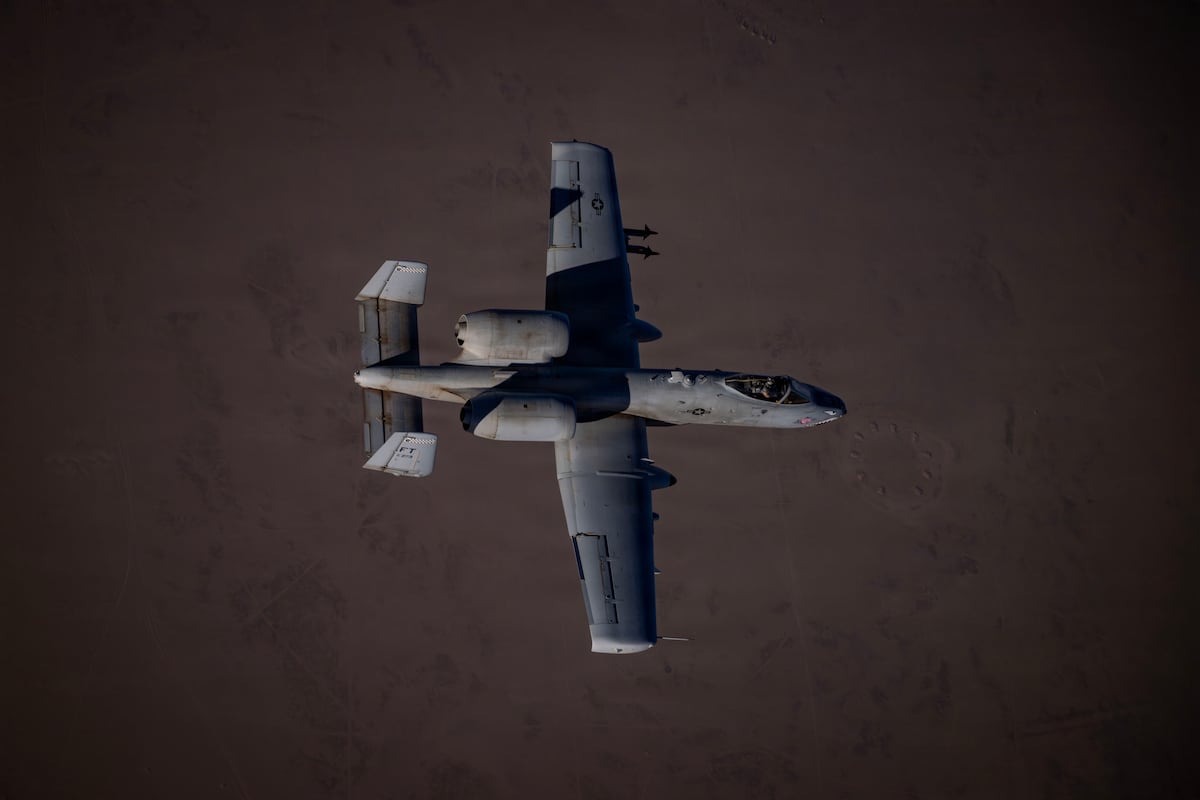
Caption: A U.S. A-10 Thunderbolt II operating in the CENTCOM area of responsibility | Credits: U.S. Air Force
Geopolitical Consequences: Escalation Risks, Maritime Security and Policy Options
The downing of manned U.S. aircraft in and around Iranian-controlled airspace elevates the conflict’s strategic stakes in three interconnected areas: escalation management, international maritime security, and alliance politics. First, each tactical loss increases pressure on political leaders to react — either by punitive strikes, expanded air campaigns, or signaling deployments — which in turn raises the risk of miscalculation. Iran gains leverage by demonstrating a capacity to impose operational costs on U.S. airpower, potentially deterring some mission types while inviting disproportionate responses that could broaden the conflict.
Second, the Strait of Hormuz’s status as a critical energy transit corridor means kinetic friction there has immediate global economic implications. Even localized interdiction or the perception of sustained risk prompts rerouting, insurance spikes and market volatility. Protecting freedom of navigation while avoiding steps that trigger wider mobilization will be an acute policy dilemma for the U.S. and partners.
Third, these incidents test coalition durability. Partners with naval and air assets in the region will have to reconcile burden-sharing with political risk tolerance; disparities in appetite for escalation could complicate unified responses and deconfliction protocols. Meanwhile, external competitors such as Russia and China will likely seek to exploit frictions diplomatically and economically, offering Iran political cover while hedging their own regional relationships.
Recommended strategic responses include: tightening layered force protection for air operations (expanded standoff ISR, electronic warfare and airborne survivability measures); accelerating maritime convoy and escort coordination with regional partners to reassure commercial actors; reopening discreet diplomatic channels to restore crisis communications and reduce misperception; and preparing calibrated, narrow retaliation options that deny Iran operational advantage without triggering uncontrolled escalation. Above all, decision-makers must weigh tactical imperatives against the broader objective of preventing conflict expansion that would significantly reshape regional security and global markets.