
The confirmed extraction of a second U.S. F-15 weapons officer from inside Iran by U.S. special operations forces represents a high-risk, high-payoff tactical success with immediate strategic reverberations: it averted a politically perilous hostage scenario, showcased a complex fusion of military, intelligence and allied support, and risks accelerating an already volatile regional conflict that has significant implications for global energy flows and international law.
Situation summary: the operation, forces involved and immediate outcomes
In the sixth week of open hostilities, U.S. special operations forces conducted a complex ground and air exfiltration to recover a downed F-15 weapons officer in mountainous terrain within Iranian territory. U.S. officials describe the mission as involving dozens of aircraft, routine forces with specialized MC-130Js for infiltration and exfiltration, deception measures by intelligence agencies and intense contact with Iranian forces. The rescued airman was wounded but in stable condition; a separate rescue of the aircraft pilot occurred earlier. Tehran reported the destruction of several U.S. aircraft in the area and released footage showing wreckage, while U.S. sources acknowledged at least one platform was destroyed after malfunction. Israeli assistance was reported by U.S. officials, indicating allied coordination. Politically, the extraction removed an acute hostage or POW dilemma that could have compelled a disproportionate military response from Washington, but it also produced incendiary public rhetoric from U.S. leadership and raised tensions along the Strait of Hormuz, where Iran maintains leverage over global energy transit.
Historical context: precedents, escalation dynamics and legal contours
This operation must be read against decades of U.S.–Iran antagonism, a pattern of asymmetric Iranian responses and a recent dramatic expansion of kinetic strikes on Iranian soil by the U.S. and Israel. Historically, intelligence-led recoveries and raids—ranging from hostage rescues in the 20th century to targeted counterterrorism exfiltrations—have been used to resolve acute political crises without large-scale escalation; yet they also set precedents that lower the threshold for cross-border incursions. The current campaign follows an escalation that began with strikes on Iranian military and civilian infrastructure, subsequent Iranian missile and drone attacks on regional facilities and shipping, and a partial closure of the Strait of Hormuz that has disrupted roughly a fifth of seaborne oil and gas flows. The legal status of clandestine operations inside a sovereign state during active hostilities is contested: while the U.S. frames such actions as self-help to recover personnel, Iran will portray them as violations of sovereignty and additional justification for retaliation. The involvement of allied actors and the reported use of deception to misdirect Iranian forces echo past covert practices but occur here amid a far higher-profile, state-on-state kinetic conflict.
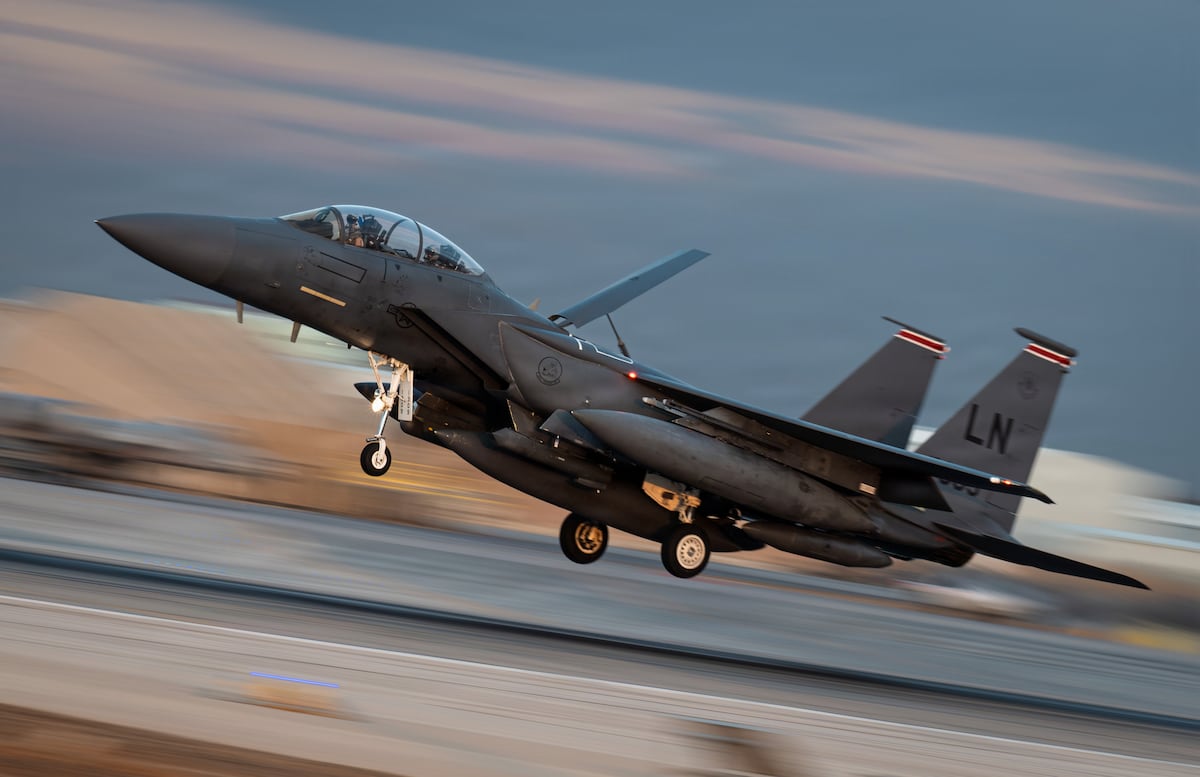
Caption: U.S. F-15E Strike Eagle preparing to land at a regional base amid ongoing operations | Credits: Senior Airman Jonah Bliss/U.S. Air Force
Geopolitical impact: regional security, deterrence, and global economic fallout
The rescue operation alters multiple strategic calculations. Regionally, it demonstrates U.S. operational reach and willingness to conduct high-risk missions, reinforcing deterrence signals to Tehran but also increasing the probability of asymmetric and proportional Iranian retaliation against U.S. assets, regional partners or critical infrastructure. Tehran’s continued ability to contest the Strait of Hormuz gives it coercive leverage over global markets; the operation does not resolve that leverage and may harden Iranian determination to use maritime interdictions and attacks on Gulf facilities. Internationally, allied coordination—if confirmed—reinforces the U.S.–Israel security partnership but risks drawing partners further into kinetic confrontation and complicates coalition-building for a diplomatic exit. Economically, the incident contributes to oil-price volatility, incentivizes strategic stock releases and emergency contingency planning among importers and producers, and will likely accelerate discussions within OPEC and consuming states about supply and security measures. Politically, the successful recovery buys Washington short-term breathing room domestically, but incendiary executive rhetoric and continued strikes raise the risk of miscalculation; the operation thus shifts the window for diplomacy rather than closing it. Longer-term ramifications include precedent-setting for cross-border rescues during interstate wars, potential erosion of norms protecting sovereign territory, and amplified demand among U.S. allies for assurances and hardening of critical infrastructure. Risk mitigation will require calibrated restraint, renewed diplomatic outreach with credible guarantees and international monitoring mechanisms to prevent incidents from cascading into wider war.