
President Trump’s fiscal 2027 blueprint proposes a historic $488 billion for the Department of Veterans Affairs, signaling a strategic pivot to prioritize veteran care and benefits even as the administration simultaneously pushes sweeping increases in defense spending and cuts across other domestic programs; the package both shores up long-term entitlements and lays the groundwork for contentious budget battles on Capitol Hill over funding structure, program priorities and political trade-offs.
Record Funding and Strategic Allocations — Situation Overview
The White House budget outlines a $488 billion VA appropriation for fiscal 2027, a 7.7% rise from the prior year, split between roughly $206 billion in discretionary program and operations funding and $282.6 billion in mandatory benefits such as disability compensation and pensions. Discretionary priorities include targeted capital projects — permanent homeless-veteran housing in West Los Angeles, construction or replacement of major VA hospitals in Manchester, Indianapolis and land acquisition for San Antonio — and a resumption of the stalled electronic medical record program at a phased group of facilities. The proposal also increases funding for both in-VA medical services and community care, while proposing organizational changes in Veterans Health Administration management and design tweaks to community-care contracting. Administratively, the VA projects a workforce of about 443,327 full-time equivalents, a net mix of reductions and recoveries versus recent years, and seeks advanced funding mechanisms to protect veterans’ benefits from government shutdowns.
Historical Trajectory of VA Funding and Policy
Over a quarter-century the VA budget has expanded dramatically, from roughly $45 billion in 2001 to the current proposal — roughly a tenfold increase driven by demographic shifts, the long-term health consequences of post-9/11 deployments and successive policy decisions to broaden eligibility and benefits. Major inflection points include postconflict care needs following prolonged combat operations, statutory obligations tied to disability and pensions, and episodic investments in veterans’ health infrastructure and information systems. The proposed shift of significant toxic-exposure liabilities into discretionary accounts continues a recent policy trend that reallocates how costs are booked and managed, a move with precedents but also with renewed legislative and legal scrutiny in light of large, open-ended obligations created by modern conflict-era exposures.
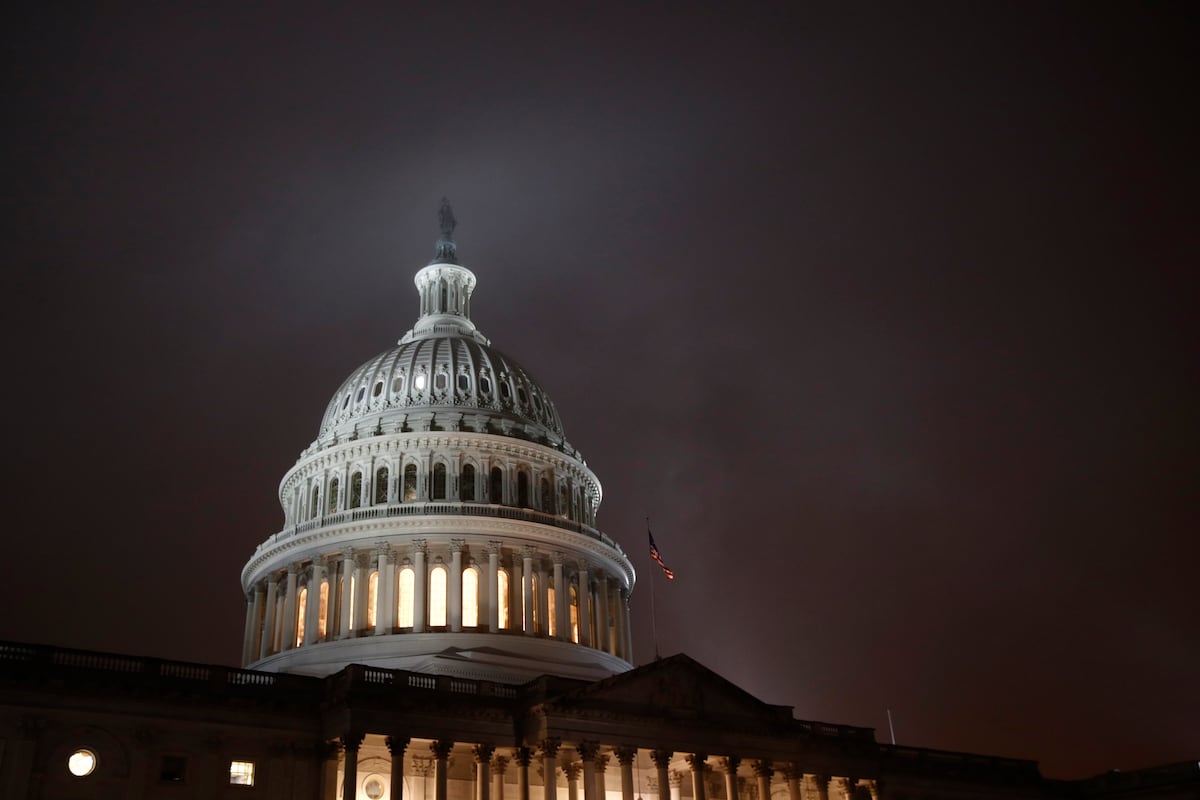
Caption: VA patients walk through a care facility as funding priorities shift toward infrastructure and electronic records modernization | Credits: Patrick Semansky/AP
Geopolitical and Domestic Policy Implications
Domestically, an infusion of this magnitude positions veterans policy at the center of the administration’s narrative about national resilience and care for those who served, but it also amplifies partisan flashpoints. The reclassification of toxic-exposure costs and the proposal to curtail diversity, equity and inclusion programs will draw sharp scrutiny from Democrats and veterans’ advocacy groups, creating likely congressional battles over both policy substance and fiscal form. Politically, preserving benefits through advanced appropriations limits shutdown leverage, reinforcing veterans’ programs as a protected corridor in federal budgeting.
On the international stage, the VA allocation must be read in tandem with the dramatic proposed increase in defense spending: together they signal a strategic posture that pairs hard-power investments with an expanded domestic safety net for service members and veterans. Allies and partners may interpret the package as a sign that the U.S. intends to sustain high operational tempo and readiness over the coming decade — bolstering deterrence — while also accepting the long-term fiscal and social costs of sustained military engagement. Conversely, cuts to public-health institutions and social programs elsewhere in the federal portfolio could degrade U.S. soft power and influence by constraining global health cooperation and domestic scientific capacity over time.
Fiscal trade-offs are central: prioritizing veterans and defense within a constrained aggregate budget requires either higher deficits, reallocation from other domestic priorities, or both. The administration’s choices will shape recruitment, retention and the lived experience of veterans — with downstream consequences for civil-military relations, legal liability stemming from toxic-exposure claims, and the political salience of veterans as a cross-cutting constituency. Ultimately, the budget is a strategic blueprint that sets the stage for congressional negotiation; the final package will reveal whether this administration’s domestic and security priorities achieve legislative durability or become a catalyst for sustained political contestation.