
The U.S. Southern Command has announced the creation of an Autonomous Warfare Command to centralize the use of unmanned, semi‑autonomous and autonomous systems across maritime, land, space and cyber domains in the Western Hemisphere — a move that seeks to translate tactical unmanned missions into strategic outcomes against transnational criminal networks, enhance disaster response and deepen interoperability with regional partners.
Operational summary: Purpose, posture and immediate objectives
The new Autonomous Warfare Command is designed as a mission-focused element to integrate unmanned platforms into SOUTHCOM operations, linking short‑term tactical actions with longer‑term strategic effects. Its responsibilities will span autonomous surface and subsurface systems, aerial and ground drones, and employment of space-enabled and cyber tools to provide sensing, sustainment and effect across the Caribbean, Central and South America. SOUTHCOM intends to coordinate the command’s stand-up with the military services and the Defense Autonomous Warfare Group to identify required expertise, capabilities and integration pathways. A clear emphasis is placed on countering narcoterrorist and cartel networks and providing rapid support in national disasters, while the command’s operational timeline and full capability targets remain unspecified.
Historical context: U.S. force posture and autonomy trends in the hemisphere
The establishment of an autonomous-focused element in SOUTHCOM continues a multi-year trend of intensified U.S. military engagement and technological experimentation in Latin America. Recent precedents include the formal activation of a Southern component of the U.S. Space Force and high‑visibility, high‑risk operations that relied on space-based communications and position, navigation and timing services. Leadership changes at SOUTHCOM followed a period of escalatory operations against alleged drug trafficking vessels and a controversial raid that precipitated a new commander’s appointment. Collectively, these developments reflect a shift toward networked, cross‑domain capabilities and an operational philosophy that treats the hemisphere as both a security partnership area and a testing ground for unmanned and autonomy-enabled concepts.
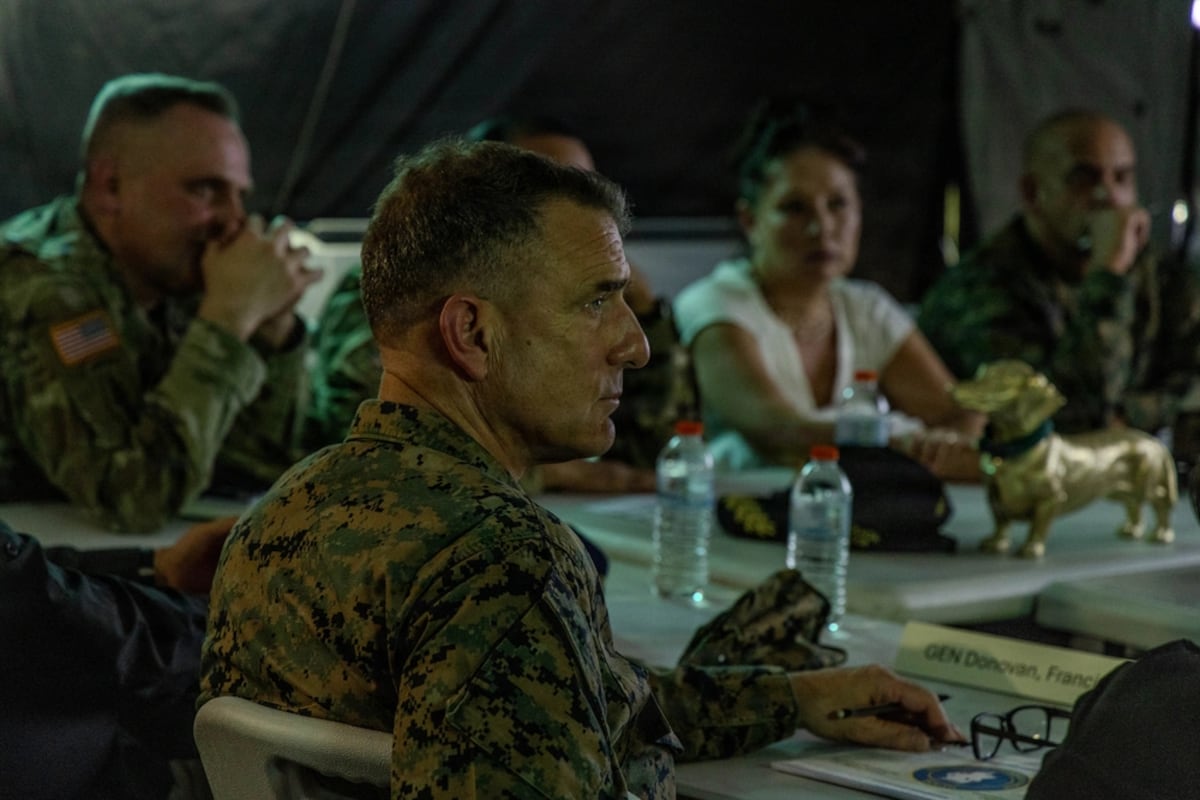
Caption: SOUTHCOM commander reviews a Panama training course as autonomy and partner collaboration become central to regional operations | Credits: Richard Morgan/U.S. Army
Geopolitical impact: Regional dynamics, risks and policy implications
The Autonomous Warfare Command will have outsized strategic implications beyond immediate mission outcomes. First, it signals Washington’s intent to normalize persistent, autonomy‑enabled operations in the hemisphere, enhancing deterrence against transnational criminal enterprises and improving disaster response, but also raising sovereignty and escalation concerns among some regional governments. Second, deeper integration of unmanned and space‑enabled capabilities with partner forces can strengthen interoperable security architectures, accelerating capability diffusion to allied militaries while creating potential dependence on U.S. logistics, doctrine and command systems. Third, the move may prompt responses from extra‑regional actors seeking influence in Latin America by accelerating their own security cooperation or technology sales. Finally, without clear legal frameworks, transparency measures and partner safeguards, the command risks operational overreach, reputational fallout from contested missions, and domestic and international scrutiny over accountability for autonomous systems’ use of force. Policymakers should therefore prioritize measured governance, partner capacity building, and clear political‑military boundaries as SAWC is brought to operational status.