
The Biden-era norms of fiscal transparency are under strain as the White House declines to offer a credible estimate for the ongoing conflict with Iran while simultaneously advancing an unprecedented $1.5 trillion military budget proposal that shifts resources away from domestic programs—a posture that raises acute questions about oversight, alliance management, and the long-term fiscal and strategic costs of protracted kinetic operations.
Administration Budget Posture and War Cost Uncertainty
At a congressional budget hearing, the Office of Management and Budget signaled it could not provide even a rough estimate of expenditures tied to the campaign against Iran. That opacity coincides with the administration’s request for a fiscal 2027 defense outlay marked by a roughly $500 billion increase in military spending and a 10% cut across non-defense accounts. An earlier emergency request for additional war funding — reportedly resisted on Capitol Hill — underscored the political friction: lawmakers across the aisle and within the GOP have pushed back against large supplemental transfers absent stronger Pentagon accounting and a completed audit. The confluence of an open-ended operational tempo in the Middle East and a sweeping budgetary reallocation to defense produces a governance dilemma: securing forces and sustainment for an active theater while maintaining public confidence that scarce tax dollars are being spent efficiently and legally.
Past Patterns and Institutional Accountability
The current dynamic follows a familiar pattern in which wartime or contingency operations prompt rapid funding appeals that outpace routine budget oversight. In this episode, critics point to the Department of Defense’s chronic inability to pass full financial audits and to disputes between the administration and independent watchdogs over withheld program funds. Those institutional weaknesses complicate congressional deliberations: appropriators must weigh the immediate operational needs of deployed forces against persistent questions about fraud, waste, and the legal propriety of budgetary maneuvers. The result is a heightened demand for transparent, auditable accounting of incremental costs tied to the Iran campaign before accepting large-scale, long-term increases in defense appropriation.
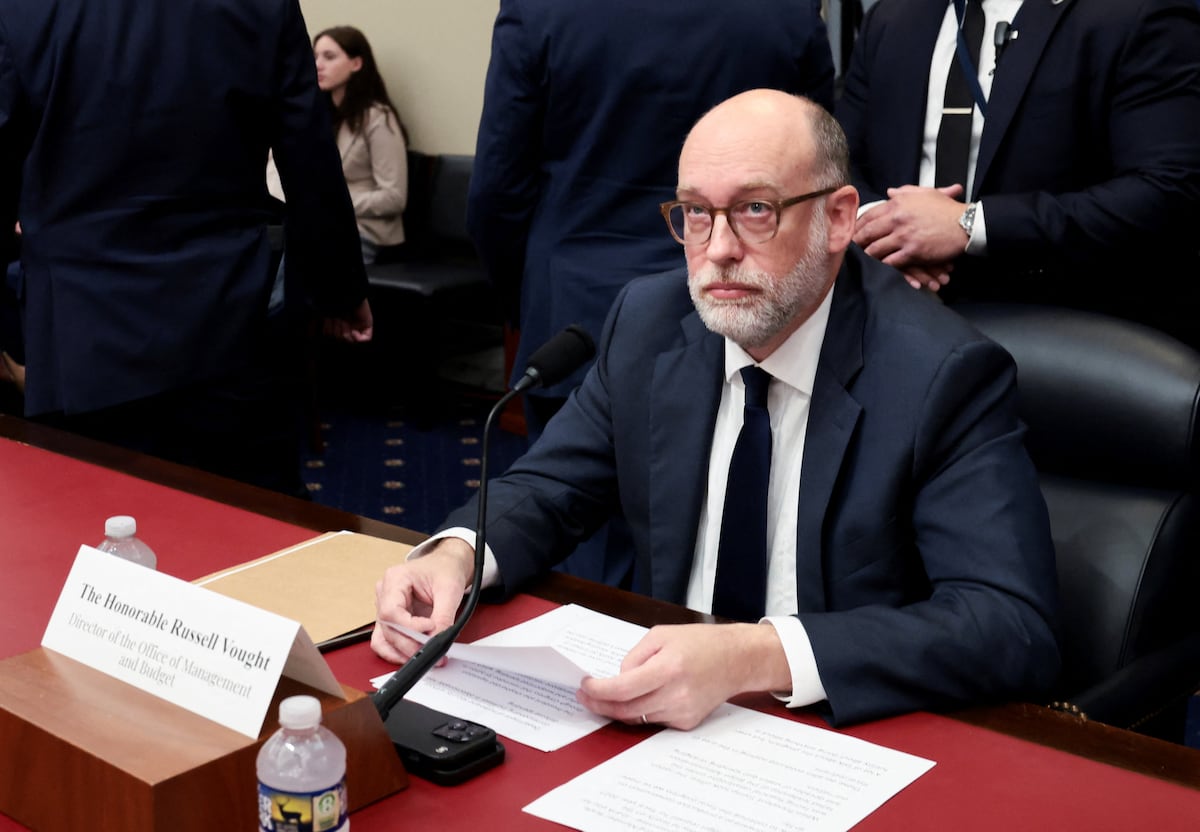
Caption: OMB Director Russell Vought testifying before the House Budget Committee on administration budget priorities | Credits: Evelyn Hockstein/Reuters
Regional and Global Strategic Consequences
The decision to press forward with a large defense-first budget while declining to disclose war costs has three interlocking geopolitical effects. Domestically, it intensifies political polarization by linking national security spending to contentious reductions in health, education, and social safety nets, which can depress political consensus for sustained overseas engagement. For allies and partners, unpredictable U.S. fiscal posture complicates burden-sharing: reports of delayed weapons deliveries to some European partners reflect the operational trade-offs when resources are reallocated to an emergent theater. Strategically, prolonged fiscal ambiguity risks eroding U.S. credibility—both in Congress and with foreign capitals—if allied governments cannot reliably plan their own force posture or industrial support around predictable U.S. sustainment schedules.
To mitigate these risks, policymakers should prioritize three measures: insist on a time-bound, independently auditable supplemental that isolates war-related costs; link emergency appropriations to clear operational objectives and exit conditions; and restore bipartisan processes for assessing defense resource needs outside of election cycles. Absent such reforms, the combination of large, rapid defense increases and unclear operational accounting will amplify fiscal strain, weaken alliance coordination, and complicate strategic management of the Iran conflict over the medium term.