
The abrupt cancellation of a nine‑month rotation of the 2nd Armored Brigade Combat Team, 1st Cavalry Division to Poland has produced an outsized political and strategic ripple: decisions taken at the highest levels of the Defense Department have disrupted force posture in Europe, strained alliance trust, and catalyzed a congressional backlash that will shape U.S. posture and NATO dynamics in the near term.
Deployment Cancellation: What Happened and Who's Involved
In early May, an armored brigade based at Fort Hood had completed key pre‑deployment steps — casing colors, dispatching an advance element, and moving equipment overseas — when a Defense Department order halted the deployment of roughly 4,000–4,500 soldiers bound for Poland. Acting Army Chief of Staff Gen. Christopher LaNeve and Army Secretary Dan Driscoll told congressional committees the decision originated with Secretary of Defense Pete Hegseth and was coordinated with U.S. European Command leadership, including Gen. Alexus Grynkewich, though officials declined to disclose the exact timing or full rationale. Reporting indicates the move aligns with administration efforts to press European allies to increase their own defense contributions; other associated changes reportedly include reductions in U.S. force elements slated for Germany and the removal of a long‑range fires command from the theater. The abruptness of the order and its practical fallout — estimated retrieval costs running into millions, disrupted family moves, and returning advanced elements to Fort Hood — drew sharp criticism from members of the House Armed Services and Appropriations Committees, who characterized the action as potentially damaging to allied confidence and to deterrence messaging toward Russia.
Historical Patterns: U.S. Force Posture and NATO Relations
The decision sits within a broader historical arc of U.S. forward posture adjustments stretching back to the Cold War: large, persistent U.S. garrisons in Germany and rotating brigade presence in Eastern Europe have been core elements of NATO deterrence since Russia’s 2014 intervention in Ukraine. Rotational deployments and prepositioned forces were institutionalized to reassure frontline allies — particularly Poland and the Baltic states — while enabling operational flexibility. Over the past decade the United States has oscillated between reinforcing and drawing down presence in Europe in response to administrations’ strategic priorities, budgetary pressures, and alliance burden‑sharing debates. The current episode reflects enduring tensions between centralized U.S. control of deployments and allied expectations for reliable, visible deterrence. It also echoes past moments when Washington has leveraged force posture choices to shape partner behavior, but with greater political visibility today because of rapid media coverage and congressional oversight mechanisms.
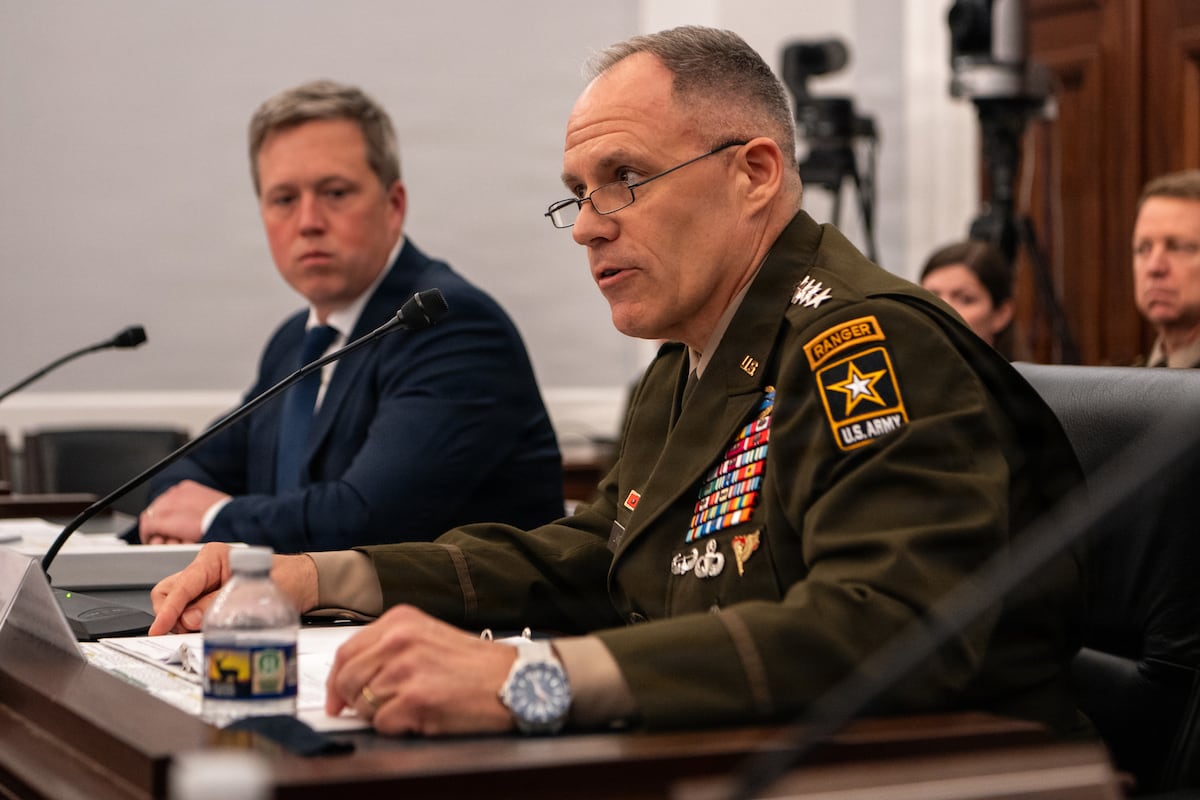
Caption: U.S. Army leadership testifies before Congress amid scrutiny over halted troop movements to Europe | Credits: Sgt. Aaron Troutman/Army
Regional and Strategic Consequences
The immediate geopolitical consequences are threefold. First, deterrence credibility along NATO’s eastern flank is strained: visible, predictable rotations are a principal signaling tool to both allies and adversaries, and sudden cancellations create openings for adversaries to test perceptions of resolve. Second, alliance cohesion and trust have been weakened; Polish officials said they were blindsided, and congressional leaders framed the move as an affront to frontline allies. Erosion of trust could complicate future U.S. requests for basing access, force agreements, or coordination in contingencies. Third, the action heightens domestic political scrutiny of defense decision‑making and may harden congressional oversight over theater posture changes, potentially producing legislative constraints or demands for more detailed consultation and reporting requirements.
Longer‑term effects will depend on three variables: whether the administration sustains posture changes or backfills deterrence measures; the diplomatic remediation offered to affected allies; and how adversaries, notably Russia, interpret and respond to perceived U.S. retrenchment. Practical follow‑ups likely include intensified consultations with NATO partners, potential redeployment or substitution of capabilities (e.g., increased rotational air or maritime assets), and congressional hearings aimed at clarifying authorities and restoring predictability. If mismanaged, the decision could accelerate European efforts to bolster autonomous defense capabilities — an outcome the U.S. may welcome strategically but which also risks fragmenting interoperability and burden‑sharing patterns that have underpinned transatlantic security for decades.