
A fragile U.S.-brokered pause in the fighting has rapidly frayed, underscoring that tactical ceasefires absent robust verification and political buy-in are unlikely to halt the grinding, high-intensity conflict that has reshaped European security since 2022.
Ceasefire Status: Active Frontline Clashes Despite the Truce
Between May 9 and May 11 a U.S.-mediated ceasefire intended to create a temporary lull instead coincided with persistent combat along a roughly 745-mile front. Both Kyiv and Moscow report repeated violations: Ukrainian authorities documented dozens of assaults and roughly 180 battlefield engagements in a 24-hour span, while Russia’s Defence Ministry put its tally of alleged breaches far higher. The fighting pattern includes artillery barrages, strikes with so-called kamikaze drones, and targeted assaults on rocket and artillery positions. Civilian and military casualties were reported on both sides, including deaths in Russia’s Belgorod region and in Ukraine’s Zaporizhzhia and Kherson regions, signaling that local tactical operations continued even as negotiators sought a pause.
Conflict Origins and Precedents for Temporary Pauses
The current flare-up is rooted in Russia’s full-scale invasion of Ukraine in 2022 and four years of follow-on offensive and defensive operations that have produced a deeply contested frontline and repeated short-term truces. Temporary ceasefires, often tied to prisoner exchanges or diplomatic initiatives, have recurred without producing durable de-escalation because they lack independent monitoring, clear incentives to hold, or comprehensive settlement frameworks. The recent U.S.-led effort that produced the three-day pause fits that pattern: a high-profile mediation move framed politically by Washington, but operationally vulnerable to returning tactical imperatives on the ground—especially when both sides retain offensive capabilities such as long-range artillery and tactical drones.
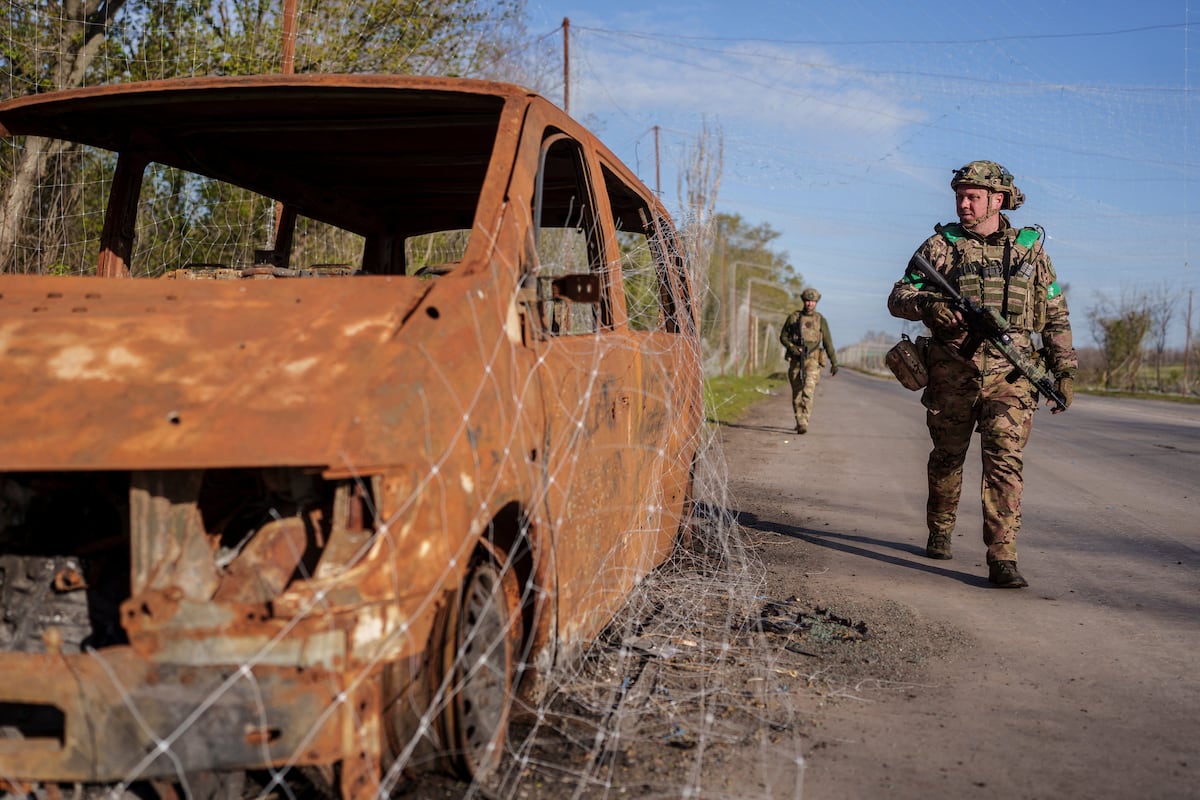
Caption: Servicemen patrol beneath an anti-drone net in Druzhkivka amid ongoing frontline tensions | Credits: Serhii Korovainyi/Reuters
Regional and Strategic Consequences of a Fragile Truce
The breakdown of this brief ceasefire highlights several enduring geopolitical dynamics. First, stopgap pauses without verification mechanisms risk legitimizing temporary freezes that allow both sides to regroup rather than to negotiate a settlement. Second, U.S. mediation under the current administration introduces a variable that may reshape alliance politics: a prominent American role can facilitate talks but also politicize outcomes in European capitals that remain skeptical of Russian intentions. Third, tactical weapons trends—especially proliferating drone use and long-range fires—raise the threshold for any reliable ceasefire because they enable rapid, low-cost strikes that are hard to police. Finally, Moscow’s public openness to talks, including proposals to involve prominent intermediaries, has met widespread European skepticism; absent reciprocal concessions and confidence-building measures, diplomatic gestures are unlikely to translate into lasting security arrangements. Practically, this means continued attritional fighting, periodic localized pauses tied to exchanges, and a prolonged humanitarian burden unless a comprehensive, verifiable framework backed by international guarantors is negotiated and enforced.