
Breaking diplomatic activity has produced a narrowly scoped pause in the Russia–Ukraine fighting tied to a large prisoner exchange, creating an ambiguous opening for humanitarian relief and political maneuvering that could reshape immediate battlefield dynamics and broader diplomatic calculations.
Immediate Situation: Three-Day Pause and a 1,000-for-1,000 Prisoner Proposal
President Donald Trump announced that Russia and Ukraine would observe a temporary ceasefire lasting three days through May 11, coupled with a proposed exchange of 1,000 prisoners from each side. Trump framed the arrangement as the product of U.S. diplomacy and thanked both leaders; Ukrainian President Volodymyr Zelenskyy publicly welcomed the prospect but emphasized that the deal centered on the return of Ukrainian captives and stressed the need for U.S. guarantees that Russia would abide by any commitments. Kyiv’s caution reflects persistent mistrust of Moscow’s intentions amid allegations that Russia has provided satellite imagery and cyber assistance to Iran, a partnership Kyiv argues has operational consequences beyond the immediate theater.
Historical Context: Ceasefires, Exchanges and Symbolic Timing in the Russo‑Ukrainian Conflict
Temporary pauses and prisoner swaps have been recurring instruments in the long-running Russo‑Ukrainian confrontation, deployed as tactical pauses, confidence-building measures or politically useful demonstrations of goodwill. Since the 2014 annexation of Crimea and the broader escalation following the 2022 full‑scale invasion, exchanges of detainees and limited truces have intermittently eased humanitarian pressures while rarely producing sustained de‑escalation. The timing announced for this pause coincides with Russia’s Victory Day commemorations, a pattern seen historically when belligerents exploit symbolic dates to secure short, high‑visibility concessions. Such pauses frequently depend on informal backchannels, third‑party mediation, and fragile verification arrangements; they can yield important humanitarian returns but often fail to resolve underlying military or political objectives.
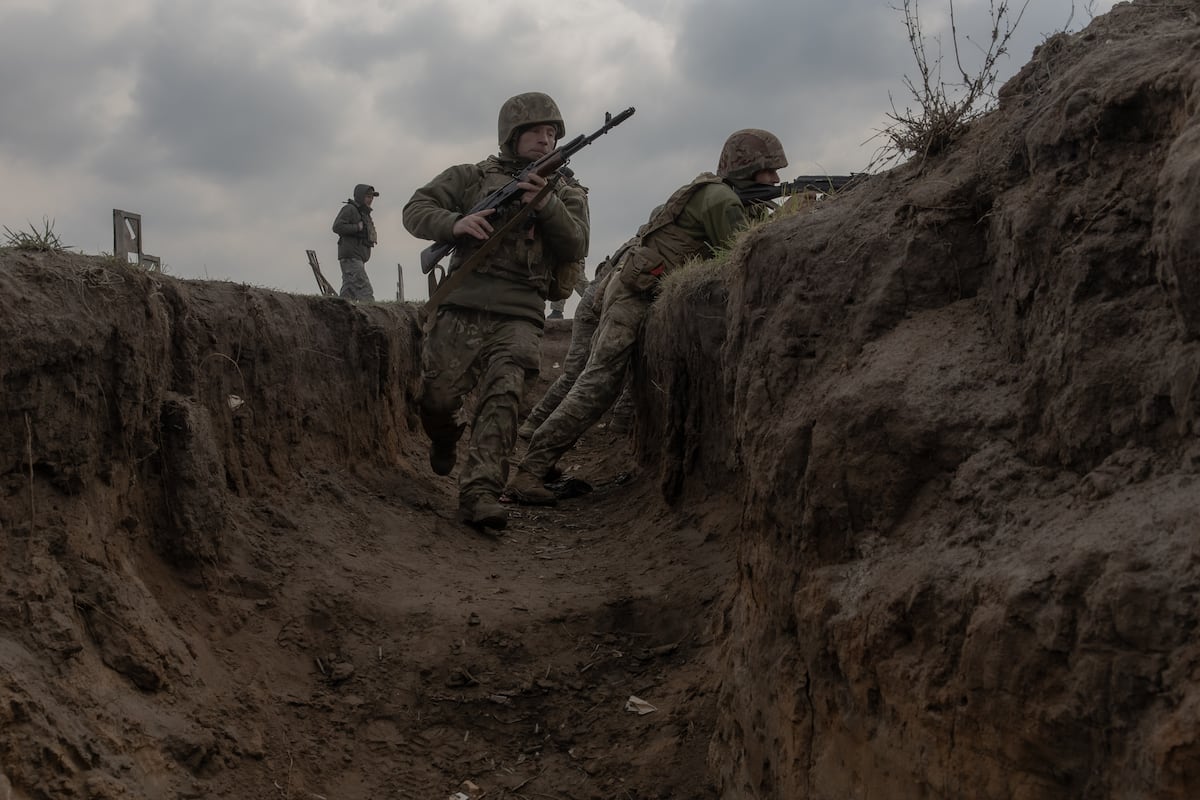
Caption: Ukrainian soldiers conduct trench training amid the conflict, illustrating front‑line conditions that complicate prisoner recovery operations | Credits: Roman Pilipey/AFP via Getty Images
Geopolitical Impact: Limited Humanitarian Gains, High Political Stakes, and Strategic Risks
The announced pause and proposed bilateral swap create immediate humanitarian upside—potentially returning large numbers of servicemembers and civilians to their families and lowering pressure for short‑term hostage‑driven escalations—but the strategic implications are complex. First, verification and enforcement will determine whether the agreement is genuine or a transient media event; absent robust, impartial monitoring mechanisms, the risk of violations or staged compliance is high. Second, the U.S. role as broker confers diplomatic leverage on Washington but also politicizes the process: the announcement offers domestic political benefit to the U.S. president while obliging allies to reconcile messaging if the arrangement unravels. Third, for Kyiv the exchange is a double‑edged tool—recovering personnel eases moral and practical burdens but may require conceding leverage on the battlefield or in future negotiations.
On Moscow’s side, a limited ceasefire timed to a national holiday can serve multiple objectives: humanitarian optics, a pause to regroup forces, and propaganda demonstrating diplomatic capacity. Allegations of Russian cooperation with Iran on imagery and cyber support complicate third‑party assurance: partners alarmed by such links may insist on stronger safeguards before recognizing any durable progress. Regionally, the development will test alliance cohesion—NATO and European partners must calibrate support for Kyiv while weighing the political utility of a U.S.‑led diplomatic initiative.
Looking ahead, plausible scenarios range from a clean, verified exchange that opens a narrow channel for further negotiated humanitarian steps, to a largely symbolic deal that collapses under verification failures and renewed combat. Policy priorities to maximize the humanitarian benefits while limiting strategic harm include: insisting on independent monitoring and verification; coordinating closely with allies on contingency planning should ceasefire violations occur; maintaining defense assistance to preserve Kyiv’s negotiating position; and using the exchange as a platform—if credible—to press for broader, enforceable modalities that address front‑line stability and long‑term accountability.