
Retired submarine captain William Toti assumed the duties of the Under Secretary of the Navy on May 1 amid a rapid leadership realignment at the service's top civilian ranks, presenting a technically minded, undersea-focused steward at a moment of heightened demand for naval modernization and forward deterrence.
Acting Leadership Shift at the Navy's Civilian Helm
On May 1, William Toti, a 26‑year Navy veteran with deep submarine experience, began performing the duties of the under secretary of the Navy after Hung Cao stepped up as acting secretary following the removal of John Phelan. Toti’s record combines extensive operational command in the undersea force with nearly a decade of Pentagon staff work — roles that included Fleet Antisubmarine Warfare command, commodore of a submarine squadron and senior positions advising the Navy’s leadership and participating in joint requirements work.
His selection as the Navy’s No. 2 civilian in an acting capacity reflects two immediate dynamics: a need for steady, technically competent management of warfighting capability and an effort by the acting secretary to delegate authority rapidly to deliver decisions on readiness, procurement and personnel. As an acting official, Toti can exercise day‑to‑day direction, but his ability to enact long‑term structural changes will remain constrained by statutory confirmation processes and by congressional control of budgets and major program decisions.
The Submarine Tradition and Institutional Continuity
Toti’s appointment fits a long American pattern of entrusting former naval officers — and particularly submariners with a culture of technical rigor and engineering emphasis — to fill senior civilian defense posts during periods of transition. Submarine community norms emphasize systems analysis, survivability and operational discipline; those traits shape priorities when former submariners move into policy roles.
Beyond command tours at sea, Toti spent significant time in the Pentagon shaping requirements and war plans, giving him institutional fluency with acquisition tradeoffs and interservice processes. His public work to revisit the World War II USS Indianapolis case also signals an analytical, data‑driven approach to historical controversies and risk assessment—an orientation that may carry into how he evaluates readiness shortfalls and platform survivability.
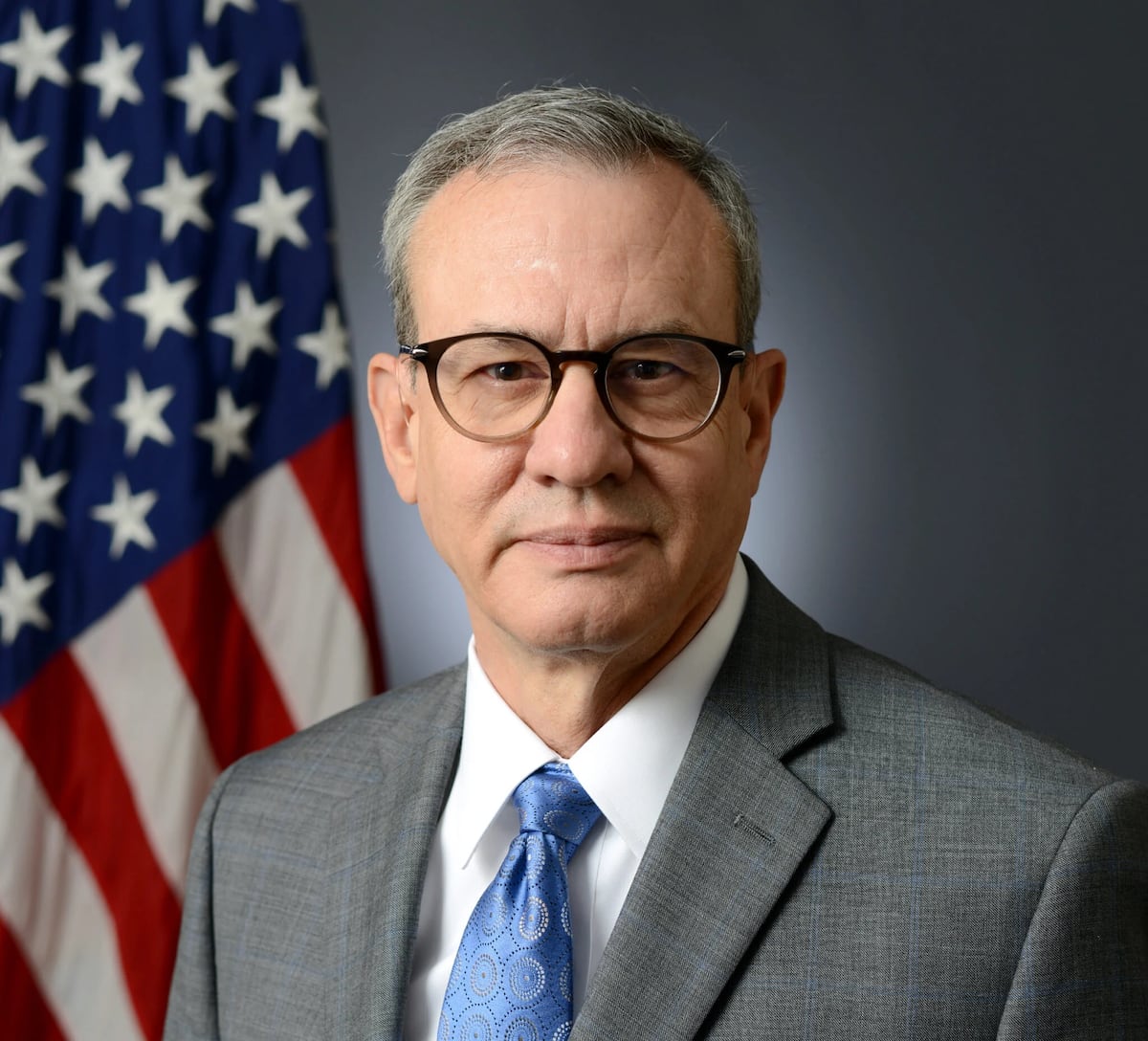
Caption: Retired Capt. William Toti assumed duties as the Navy’s acting under secretary amid a rapid leadership transition | Credits: U.S. Navy
Strategic Effects on Force Posture, Procurement and Alliance Signaling
The immediate geopolitical consequence of placing a career submariner in the Navy’s second civilian slot is a likely elevation of undersea warfare priorities within the service’s short‑term agenda. Decision momentum may favor investments in attack‑submarine sustainment and construction, antisubmarine warfare networks, distributed undersea sensors and unmanned underwater systems—capabilities central to countering maritime coercion in the Indo‑Pacific and to contesting submarine operations by peer competitors.
For allies and partners, a technically grounded acting under secretary with submarine credentials sends a credible signal of U.S. focus on undersea deterrence and sea‑control missions that are foundational to alliance deterrence in both Europe and the Western Pacific. Industry will closely watch for shifts in acquisition discipline or expedited choices that aim to accelerate delivery of capability; however, realigning programmatic priorities faces long lead times and congressional oversight, tempering how fast any tactical reorientation can be institutionalized.
Politically, frequent changes in senior civilian leadership risk eroding external confidence and complicating long‑term planning, but the appointment of a respected career officer with Pentagon experience helps preserve internal continuity and operational credibility. The net effect will depend on how long acting structures persist, how effectively Toti coordinates with the acting secretary and the extent to which Congress and the defense industrial base align behind any near‑term shifts in procurement and readiness emphasis.